Skip to content
John Mark — Luxury Wallcoverings

Paper Weave

Woven Structure. Refined Detail.

Paper Weave wallcoverings transform paper into a highly tactile decorative surface.

Through intricate woven construction, individual strands create rhythm, texture and depth, resulting in wallcoverings with a distinctive material character.

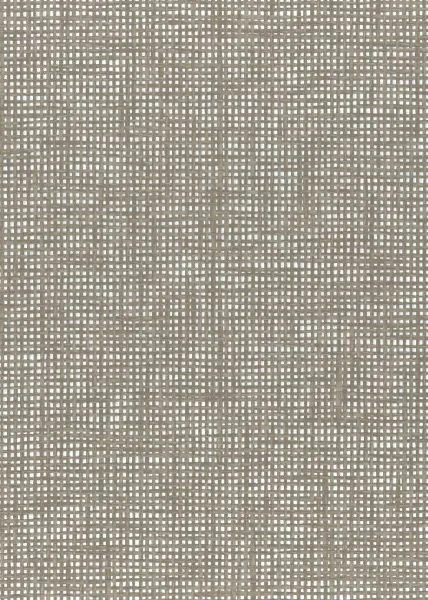
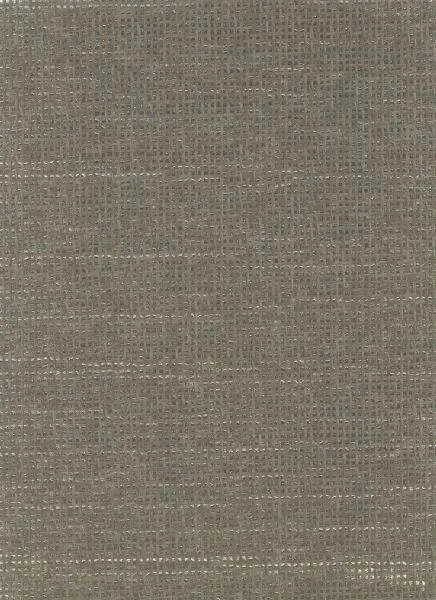
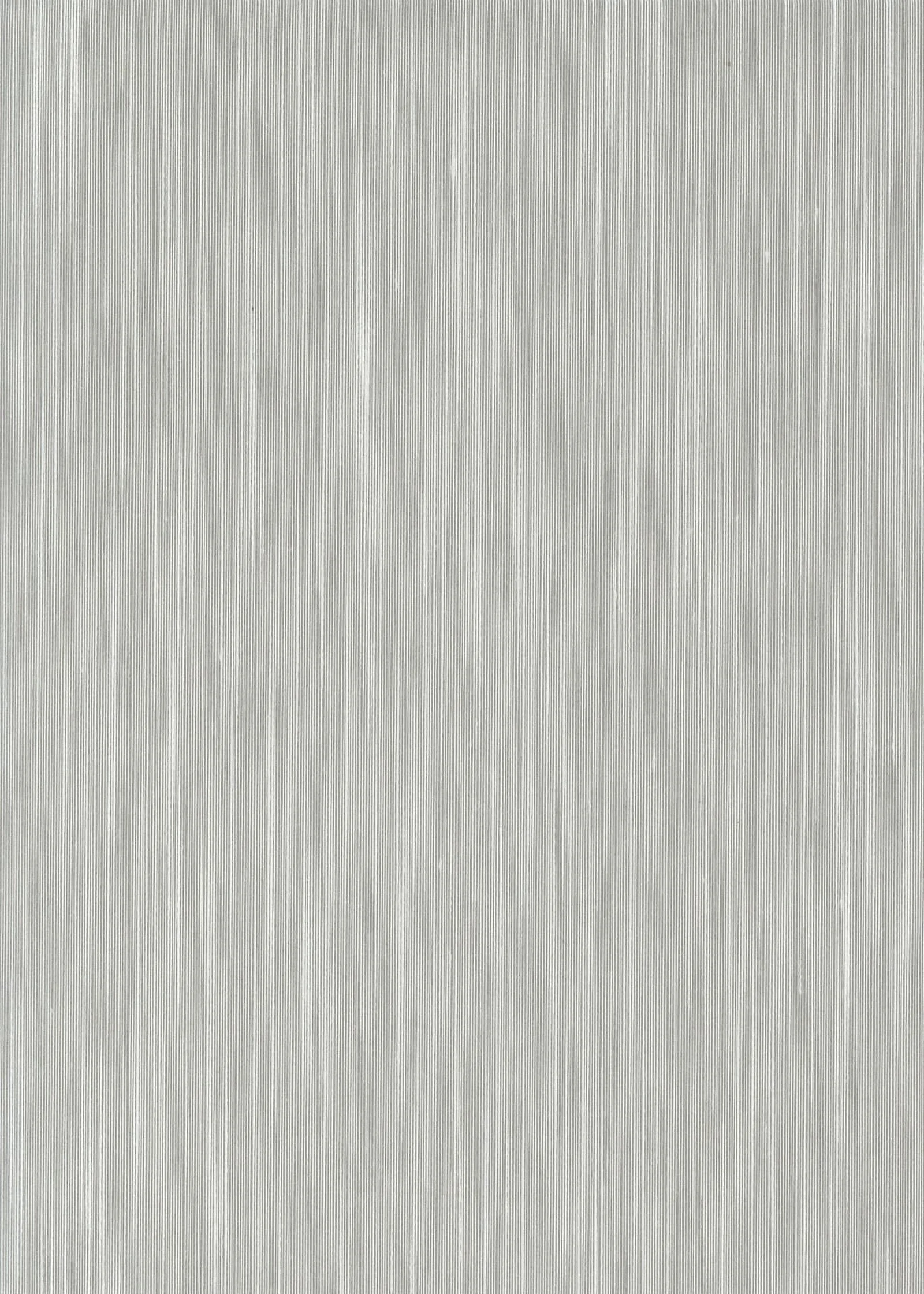
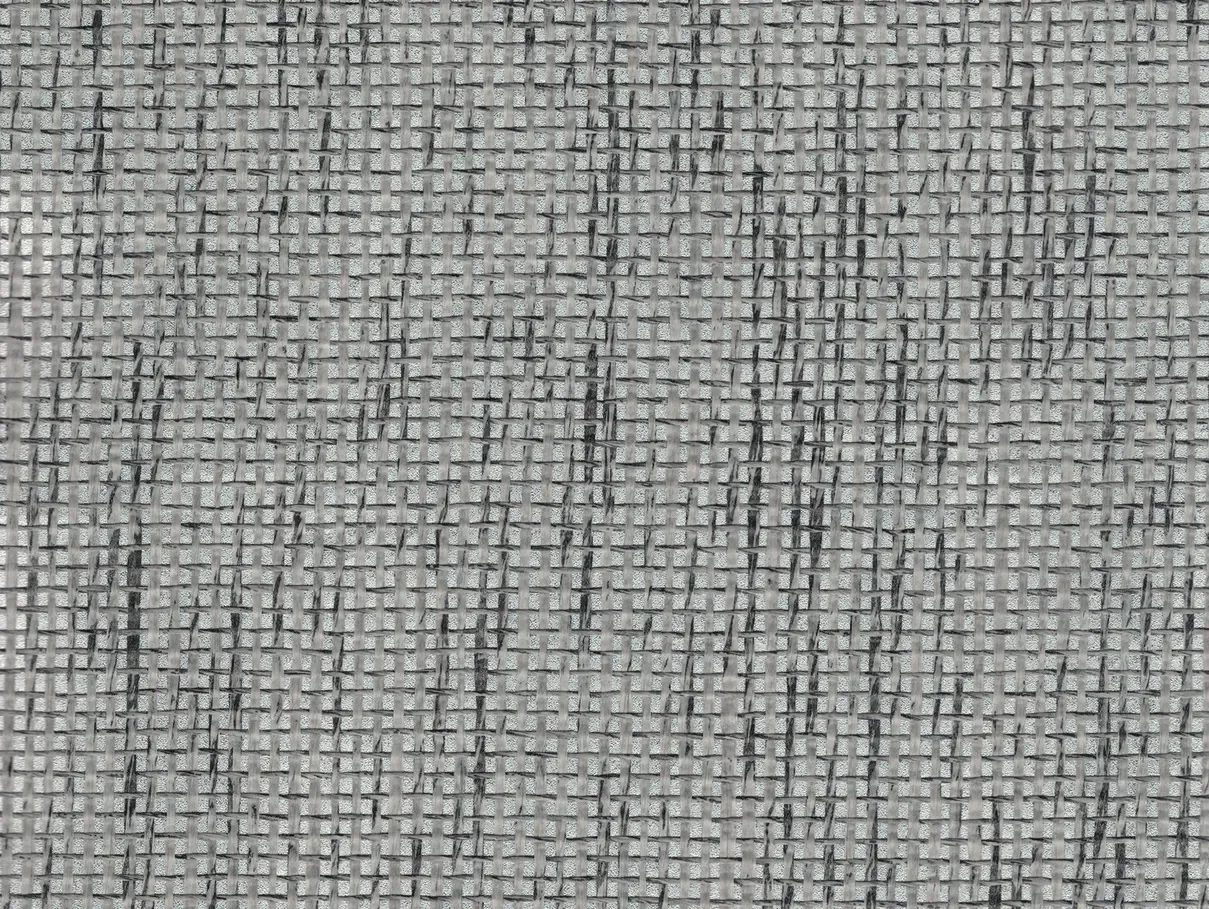
Close-up of a pale grey paper weave wallcovering with an open cross weave and darker charcoal flecks

Texture, grain, fibre and subtle tonal variation give every natural material its individual character. Samples are the truest way to experience paper weave in your scheme.

01

Crafted Through the Weave

The defining quality of Paper Weave is its structure.

Interlaced paper elements create an intricate surface where the construction itself becomes part of the design.

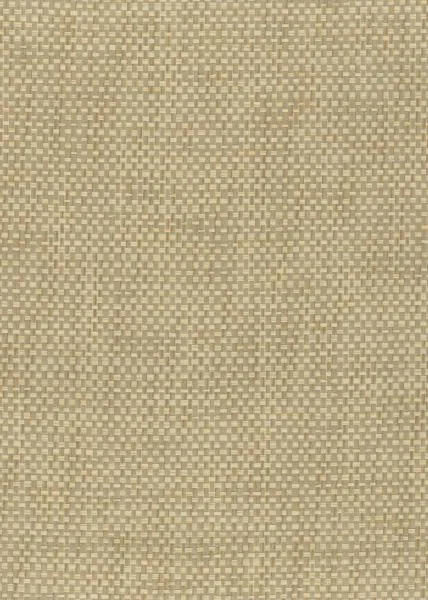
Viewed closely, individual strands, intersections and subtle irregularities become visible. Across an interior, these details combine to create a sophisticated textural backdrop with a strong sense of materiality.
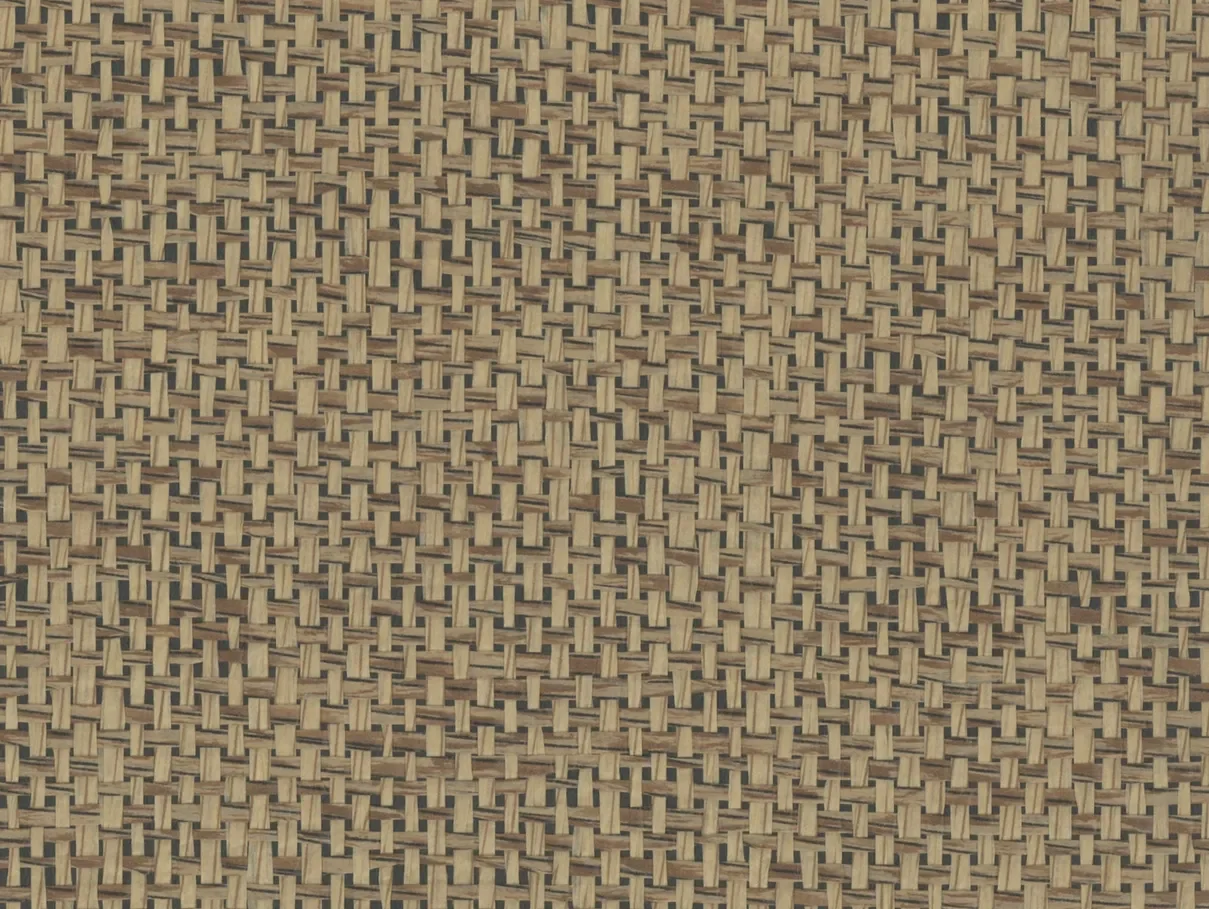
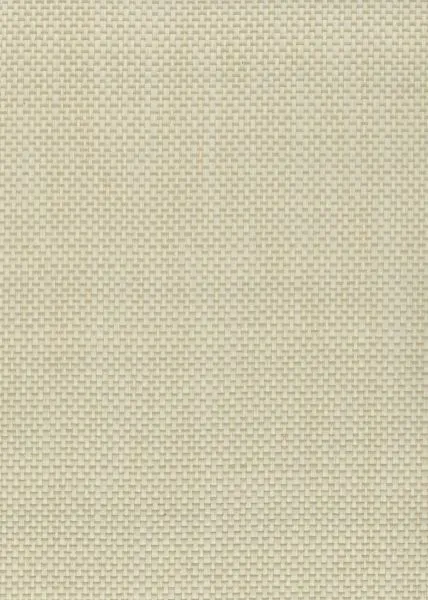
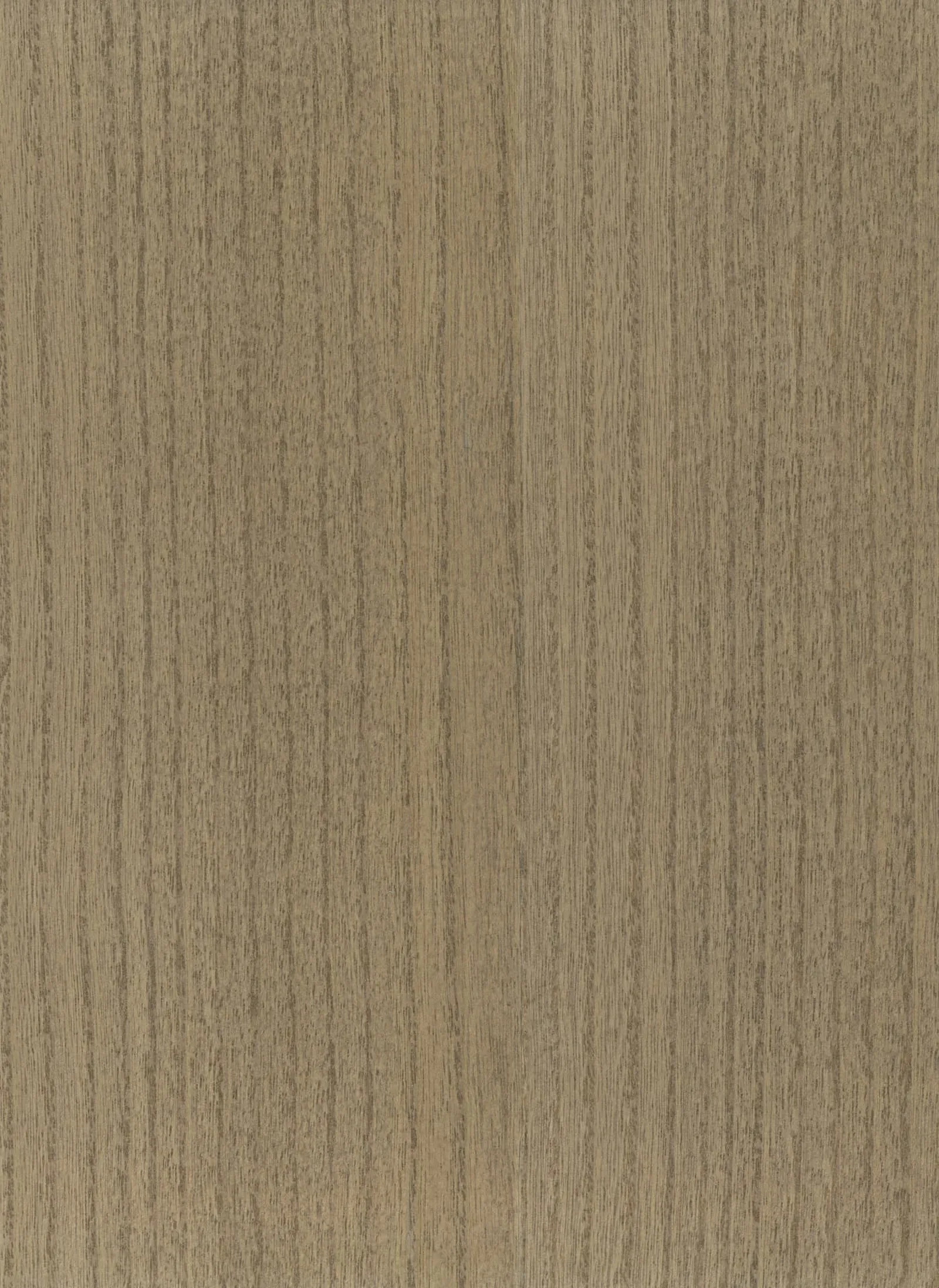
Close-up of a natural tan and brown paper weave wallcovering showing its interlaced strands over a dark ground

02

From Natural to Contemporary

The character of Paper Weave can shift considerably through colour and finish.

Natural tones emphasise its woven construction, while more contemporary finishes can give the same structural quality an entirely different expression.

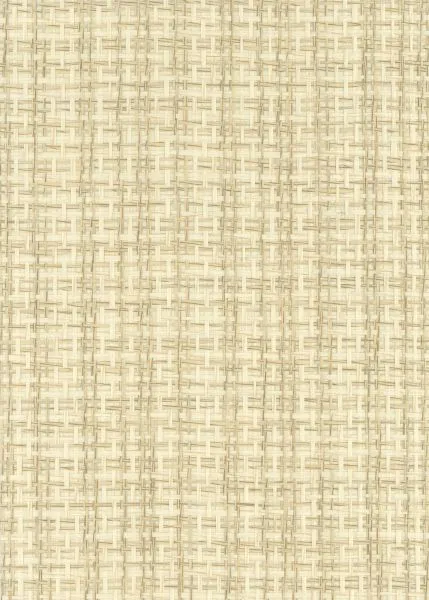
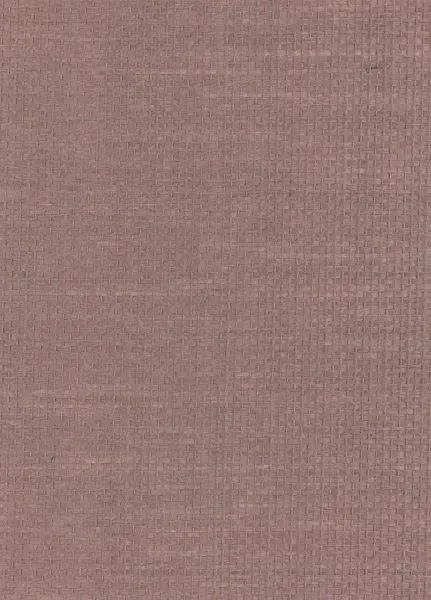
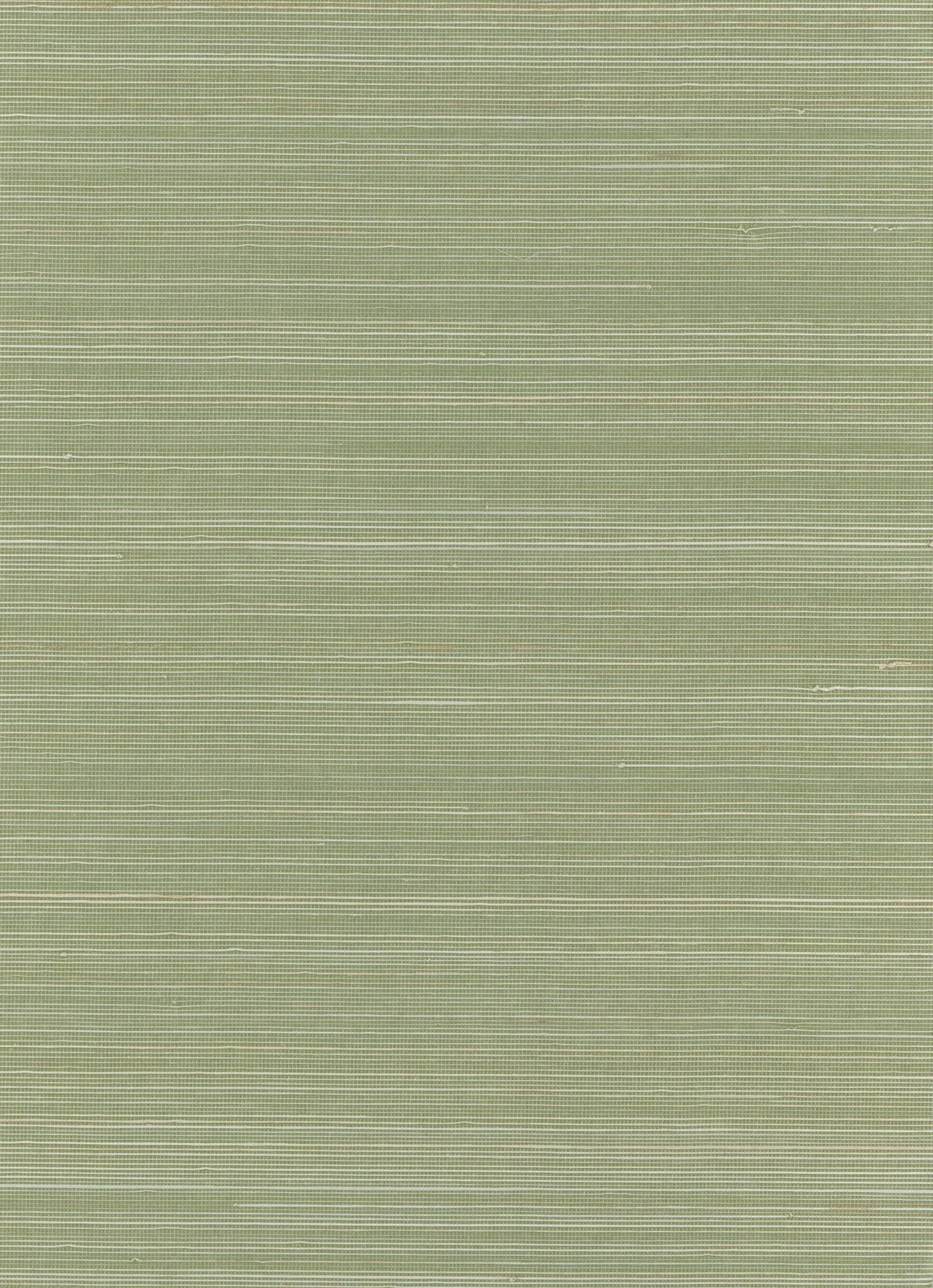
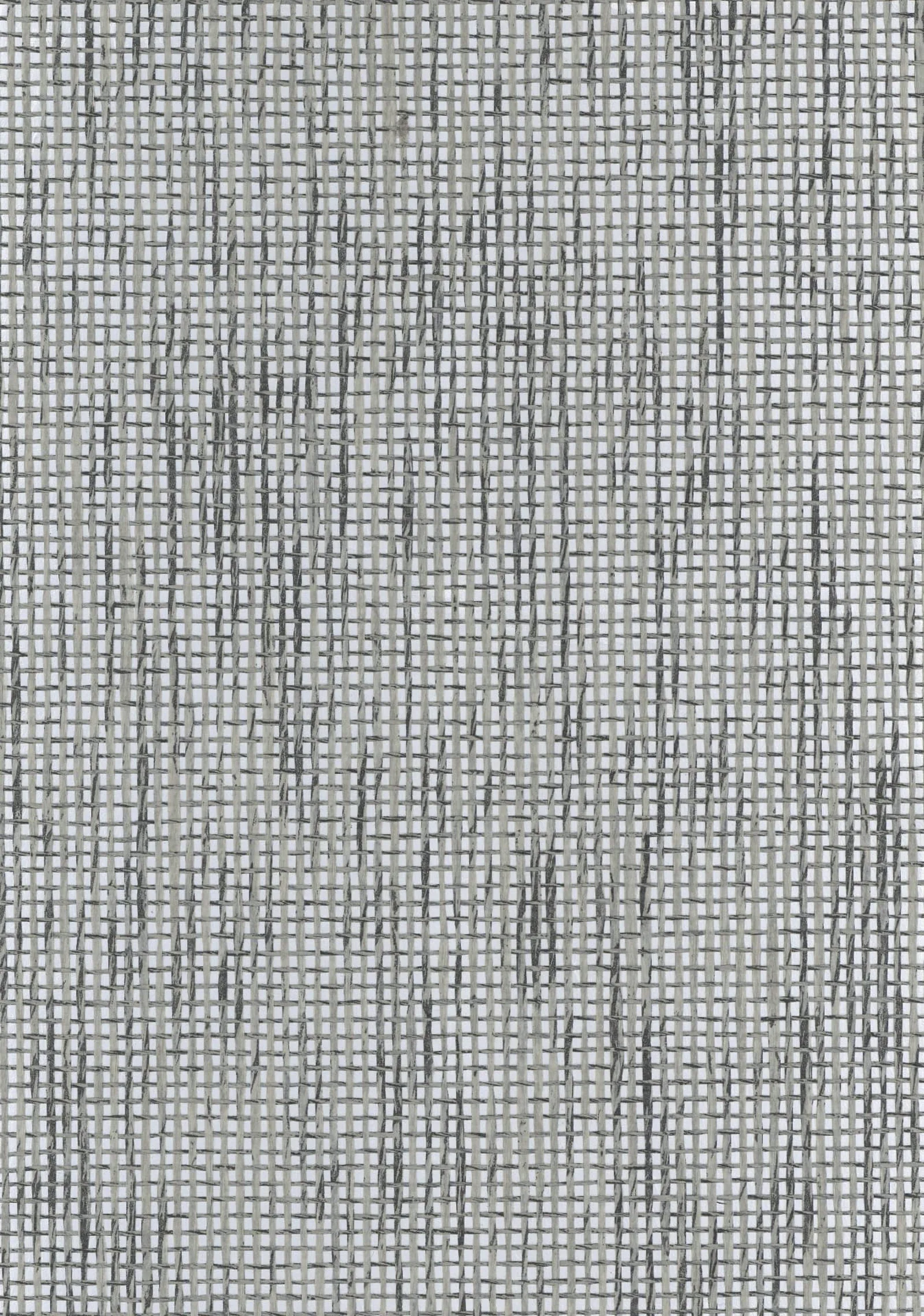
Close-up of a silver-grey paper weave wallcovering with a fine interlaced structure and charcoal flecks

03

Character & Texture

Paper Weave is defined by repetition without absolute visual uniformity.

The individual woven elements create a layered surface with considerably more visual depth than a completely flat wall finish.

Natural Character

The woven construction gives Paper Weave its individual character.

A physical sample provides the clearest way to understand the weave, colour and overall surface of a particular design before specification.

Experience Paper Weave First-Hand

The intricacy of the weave, surface texture and interaction with light are best appreciated through a physical sample.